About us

Cellular Agriculture Netherlands (CAN) is accelerating the development of a new generation of food production in the Netherlands. Through cultivated meat and precision fermentation, animal-based products are created—featuring the same taste, texture, and nutritional value as conventional counterparts—via an innovative and efficient production chain.

We are on a mission to accelerate these food innovations by connecting science, business, and society. With a focus on talent development, knowledge sharing, scaling up, societal integration, and sector development, we are building a robust ecosystem where new food technologies can grow faster and the Netherlands can maintain its position at the international forefront.
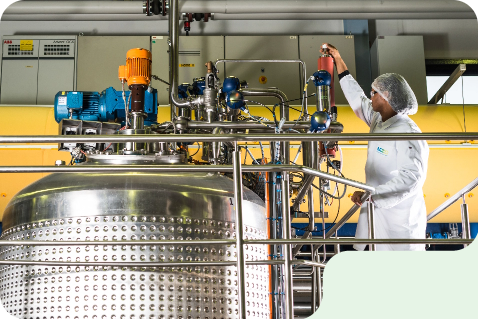
Cellular Agriculture Netherlands

The CAN Foundation was established in 2021 to foster cellular agriculture in the Netherlands and globally. To this end, CAN raises funds and takes responsibility for enabling the sector to flourish by leading and implementing programs.

Growth Fund

In 2022, the Dutch government awarded €60 million from the National Growth Fund for research, education, and scaling up in cellular agriculture—the largest public investment in cultivated meat and cell-based food technology to date.

With this award, the National Growth Fund has provided a powerful boost to the development of a new food industry in the Netherlands. CAN coordinates the program’s implementation in collaboration with knowledge institutions, companies, and the Ministry of Agriculture, Fisheries, Food Security and Nature.

The investment supports the development of a robust ecosystem—including scale-up facilities and research—and focuses on structurally strengthening the Dutch ecosystem across the board: from talent development to scientific breakthroughs, and from laboratory research to market-ready scaling. The ultimate goal is to position the Netherlands as a frontrunner in the protein transition.

Four pillars are central to the CAN National Growth Fund program: education, research, scaling, and knowledge sharing. In collaboration with partners such as TU Delft, Wageningen University & Research, and Maastricht University, work is underway on educational programs, research into cell-based technologies and precision fermentation, and the development of open-access scale-up facilities. Knowledge sharing within the ecosystem strengthens collaboration, innovation, and the effective use of public funds.

Profiles CAN

Board

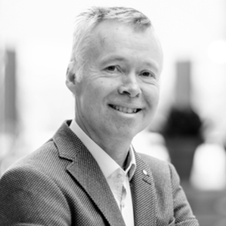
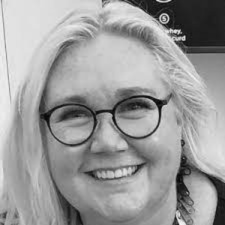
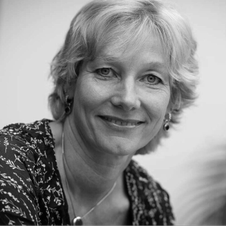
Maresa Oosterman
Co-founder & Chair

Maresa worked as a diplomat for the Ministry of Foreign Affairs, focusing on international sustainable cooperation with postings in Jakarta, New York, Rwanda, and Ghana. She worked at the United Nations on economic, social, and human rights issues and led large-scale sustainable development programs, including as Director of SDG Netherlands. Driven by her commitment to sustainability, Maresa co-founded CAN; as Chair of the Board, she contributes to the strategic development of the sector in the Netherlands.

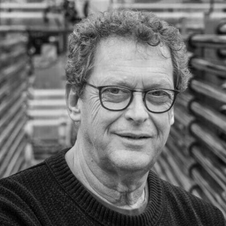
Marcel Ottens
Director Research

Prof. Dr. Ir. Marcel Ottens is Professor of Bioprocess Engineering at Delft University of Technology and a leading voice in the field of bioprocessing and scale-up. As a board member of CAN, he played a key role in establishing the national Growth Fund program for cellular agriculture. Within CAN, Marcel is dedicated to strengthening research, scale-up, and funding for the sector.

Ira van Eelen
Co-founder & Board Member

Ira is a leading advocate for cellular agriculture. She builds upon the work of her father, Willem van Eelen, a pioneer and the founding father of cultured meat. In addition to serving on the board of CAN, she works tirelessly—as Co-Founder & CEO of KindEarth.Tech and Co-Founder of RESPECTfarms—on the development and scaling of cellular agriculture in the Netherlands and globally. Within CAN, Ira focuses on fostering societal dialogue and increasing public engagement with cellular agriculture.

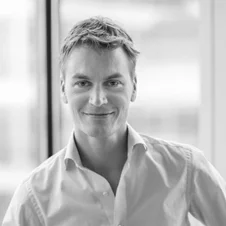
Tim van de Rijdt
Co-founder & Board Member

Coming from the technology sector, Tim’s love for burgers led him to Mosa Meat, where he has worked as Chief Business Officer since the company's early days. In this role, he contributes to the organization's strategic development and growth. Tim is a co-founder and board member of CAN, serving as treasurer while also focusing on community building and communications. He is also a board member of Cellular Agriculture Europe and the proud creator of BRRGR.com, an app for rating burgers.

René Wijffels
Director Education

Prof. Dr. Ir. René H. Wijffels is Professor of Bioprocess Engineering at Wageningen University & Research and an internationally leading expert in biomass production and bioprocesses. He leads large-scale applied research in close collaboration with industry and serves as the scientific director of the AlgaePARC pilot facility. At CAN, René is dedicated to firmly embedding cellular agriculture in education and knowledge development.

Cindy Gerhardt
Chair Supervisory Board

Cindy has a proven track record at the intersection of science, innovation, and business within the biotech and food-tech sectors. She has held senior R&D and innovation roles at international organizations and, as Managing Director of Planet B.io, is building an open innovation ecosystem for industrial biotechnology and food-tech in Delft. Cindy played a key role in developing the CAN Growth Fund proposal and now, as Chair of the Supervisory Board, focuses on strategic oversight, societal integration, and outreach regarding science and technology.

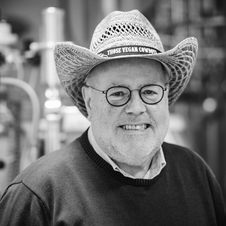
Will van den Tweel
Member Supervisory Board

Will has decades of experience leading international innovation and commercialization initiatives across the biotech, bio-based chemicals, food, and pharma sectors. He holds senior management and executive roles at startups, scale-ups, and international companies, and currently serves as Chief Commercial Officer at Those Vegan Cowboys. As a member of the Supervisory Board of CAN, Will brings extensive expertise in scaling up, business development, and strategic partnerships.

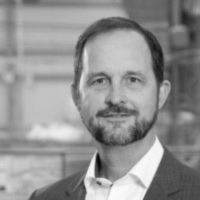
Peter Nieuwenhuizen
Member Supervisory Board

As a member of the Supervisory Board of CAN, Peter leverages his passion for chemistry and sustainability to accelerate the transition to a circular future. Holding a PhD in chemistry, he has built an impressive and multifaceted career—ranging from hands-on laboratory research and roles in sales, marketing, and strategic consultancy to executive positions in supply chain and innovation management. He also brings valuable expertise from the world of venture capital and green startups and scale-ups.

Questions about cellular agriculture

Cellular agriculture is a collection of promising technologies that enable the production of animal-based foods—such as ground beef or egg yolk—directly from animal cells. This process utilizes cell culture or fermentation.

Cellular agriculture can reduce the climate impact of meat and dairy production, as well as the use of water and agricultural land and greenhouse gas emissions. As a sustainable source of protein, cellular agriculture contributes to a more sustainable food system, characterized by reduced antibiotic use, enhanced food and water security, a smaller ecological footprint, and greater attention to animal welfare.

A wide variety of products are produced using cellular agriculture: animal proteins that can serve as ingredients, as well as cultured meat, poultry, and fish, and other animal-derived products such as foie gras, eggs, and dairy. Non-food products are also produced.

All food products placed on the market in the European Union (EU) must be safe. The European Food Safety Authority (EFSA) assesses new products, such as cultured meat. EFSA gathers information and analyses regarding new products—provided by companies and independent analysts—and issues scientific advice to the European Commission and national decision-makers concerning the safe authorization of these products for the European market. A product may only be sold throughout the EU once it has been approved.

Nieuws
brief

Blijf op de hoogte.