Knowledge

CAN fosters the development of cellular agriculture. Publicly accessible knowledge and education play a crucial role in this process, helping to remove the barriers companies face. Developing and sharing knowledge accelerates innovation and scaling-up, while laying the foundation for new patents and start-ups. Equally important is training a generation of researchers, specialists, and practitioners equipped with the right knowledge and skills to explore and grow this new field. Consequently, CAN invests in both research and the development of educational programs at universities and universities of applied sciences.
Team knowledge and education

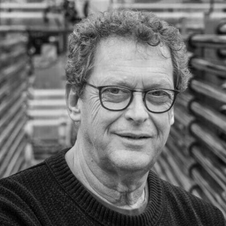
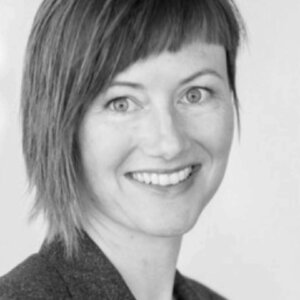
René Wijffels
Director Education
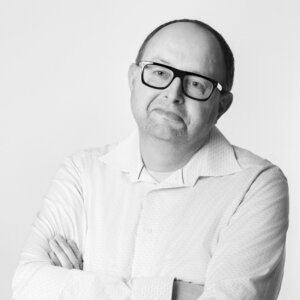
Prof. Dr. Ir. René H. Wijffels is Professor of Bioprocess Engineering at Wageningen University & Research and an internationally leading expert in biomass production and bioprocesses. He leads large-scale applied research in close collaboration with industry and serves as the scientific director of the AlgaePARC pilot facility. At CAN, René is dedicated to firmly embedding cellular agriculture in education and knowledge development.

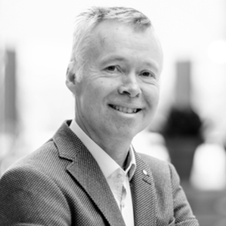
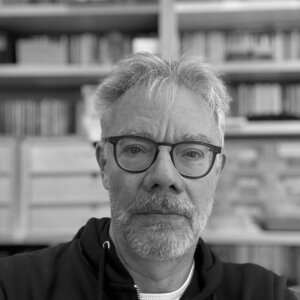
Marcel Ottens
Director Research
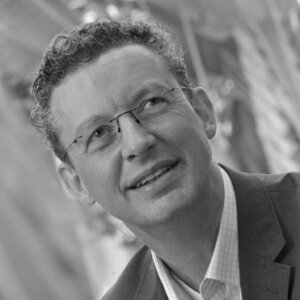
Prof. Dr. Ir. Marcel Ottens is Professor of Bioprocess Engineering at Delft University of Technology and a leading voice in the field of bioprocessing and scale-up. As a board member of CAN, he played a key role in establishing the national Growth Fund program for cellular agriculture. Within CAN, Marcel is dedicated to strengthening research, scale-up, and funding for the sector.

Chantal Christis
Program Coördinator Education & Research
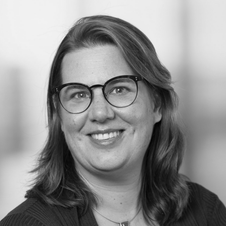
Chantal Christis operates at the intersection of academia, industry, and sector development. She is the Education and Research Program Coordinator for cellular agriculture at Delft University of Technology and is seconded to CAN in this capacity. Drawing on her background in industrial biotechnology, R&D management, and business development, Chantal connects and mobilizes knowledge institutions and companies to collaboratively shape the cellular agriculture sector in the Netherlands.

Sounding board knowledge & education

Krist V. Gernaey

Krist Gernaey has been working at the Technical University of Denmark since 2013. As Professor of Industrial Fermentation Technology (the “Novozymes Professor”), he is affiliated with the Department of Chemical and Biochemical Engineering.

Marianne Ellis
Marianne Ellis is Professor of Bioprocess and Tissue Engineering at the University of Bath (UK). Her pioneering research focuses on designing sustainable bioprocesses for cellular agriculture and tissue culture.

Marcel Wubbolts
Marcel Wubbolts is Chief Technology Officer (CTO) at Vivici, where he focuses on the development of sustainable, animal-free dairy proteins via precision fermentation.

Diane Visser
Diane Visser is Vice President of Sustainability at Corbion, where she leads the development of the long-term strategy, ambitions, and objectives regarding sustainability and directs their implementation.

Peter Verstrate
Peter Verstrate is food scientist, co-founder and Chief Product Officer at Mosa Meat. Together with Mark Post, he made history by presenting the world’s first cultivated beef burger in 2013.

Questions about knowledge development

Supported by research, CAN is building a strong, publicly accessible knowledge network in the Netherlands. This involves not only acquiring knowledge and initiating new research groups but also connecting and strengthening existing ones. The research encompasses fundamental, applied, and practice-oriented work. By generating public knowledge, the initiative addresses sectoral bottlenecks, stimulates new business activity, and strengthens the position of existing companies.

There are several ways to stay up to date:

  • Publications are shared on the website and via other CAN communication channels:
  • Subscribe to the newsletter. Follow us on LinkedIn.
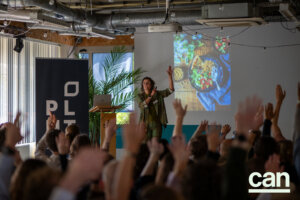
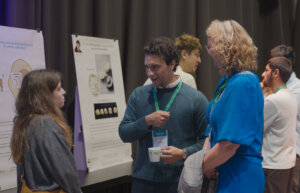
  • Knowledge is shared at the annual CAN Science Event for CellAg scientists from universities and universities of applied sciences.
  • New research is presented at the annual CANference, which also provides opportunities for researchers to meet.

Do you have specific questions or ideas? You can approach scientists directly with collaboration proposals. For contact details, see: ongoing research and practice-based research.
General questions or ideas can be submitted to the CAN team via the contact form.

Nieuws
brief

Blijf op de hoogte.